

What Are Glaucoma Symptoms?
Glaucoma is a serious eye condition that damages the optic nerve, which is responsible for carrying visual information from the eye to the brain. It is one of the leading causes of irreversible vision loss worldwide. The challenge with glaucoma is that it often develops slowly, and many people do not notice any symptoms until significant vision damage has already occurred.
Understanding glaucoma symptoms and seeking regular eye examinations can help detect the condition early and prevent long-term complications.
What is Glaucoma?
Glaucoma is a group of eye diseases that damage the optic nerve, usually due to increased pressure inside the eye. This pressure develops when the fluid inside the eye does not drain properly.
Over time, the increased pressure can affect peripheral vision and eventually lead to blindness if left untreated. While glaucoma is more common in people over the age of 40, it can occur at any age.
People with a family history of glaucoma, diabetes, high blood pressure, or previous eye injuries may have a higher risk of developing the condition.
Early Signs and Symptoms of Glaucoma
One of the biggest concerns with glaucoma is that the condition may not cause noticeable symptoms during its early stages.
Some of the early signs and symptoms of glaucoma may include:
- Gradual loss of peripheral (side) vision
- Difficulty adjusting to dark rooms
- Blurred vision
- Mild eye discomfort
- Frequent headaches
- Seeing halos around lights
Because these symptoms can develop slowly, many people may ignore them until the condition becomes advanced.
Common Symptoms of Glaucoma in Eyes
The symptoms of glaucoma in eyes can vary depending on the type of glaucoma.
Common symptoms include:
- Eye pain or pressure
- Blurred vision
- Tunnel vision
- Blind spots in the field of vision
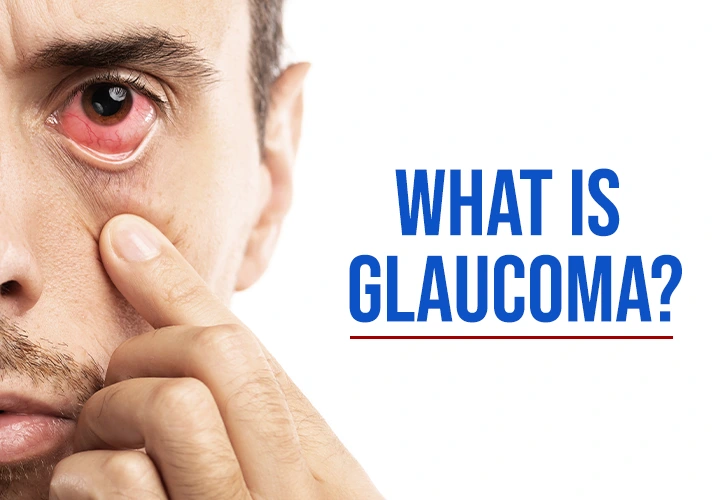
- Redness in the eyes
- Seeing rainbow-coloured halos around lights
- Nausea and vomiting accompanied by severe eye pain
If you experience sudden vision changes or severe eye pain, immediate medical attention is recommended.
What Causes Glaucoma?
Glaucoma occurs when fluid builds up inside the eye, increasing intraocular pressure. This pressure can gradually damage the optic nerve.
Several factors may contribute to glaucoma, including:
- Family history of glaucoma
- Age above 40 years
- Diabetes
- High blood pressure
- Long-term use of steroid medications
- Previous eye injuries
- Thin corneas
Although increased eye pressure is a major risk factor, glaucoma can sometimes occur even when eye pressure is within a normal range
Types of Glaucoma
Open-Angle Glaucoma
This is the most common form of glaucoma. It develops gradually and usually does not cause pain. Vision loss occurs slowly over time, making regular eye examinations essential.
Angle-Closure Glaucoma
This type develops suddenly and is considered a medical emergency. Symptoms may include severe eye pain, headache, blurred vision, nausea, and vomiting.
Congenital Glaucoma
A rare condition present at birth due to abnormal eye development.Identifying the type of glaucoma helps doctors choose the most effective treatment plan.
Glaucoma Symptoms and Treatment
Early diagnosis plays a crucial role in protecting vision. Although vision loss caused by glaucoma cannot usually be reversed, treatment can help slow or stop further damage.
Common treatment options include:
- Eye Drops: Prescription eye drops help reduce eye pressure and are often the first line of treatment.
- Laser Therapy: Laser procedures can improve fluid drainage and lower pressure inside the eye.
- Surgery: In advanced cases, surgery may be recommended to create new drainage pathways and control eye pressure.Regular follow-up visits are important to monitor eye health and ensure treatment effectiveness.
When Should You See an Eye Specialist?
You should schedule an eye examination if you experience:
- Persistent blurred vision
- Eye pain or pressure
- Sudden vision changes
- Frequent headaches
- Family history of glaucoma
- Difficulty with peripheral vision
People above 40 years of age should consider routine eye checkups even if they do not have symptoms.
At Ponjesly Hospital, experienced ophthalmologists use advanced diagnostic technology to detect glaucoma early and provide personalised treatment plans. As a trusted best eye hospital in Nagercoil, we focus on early diagnosis, advanced treatment options, and long-term vision care.
Conclusion
Recognising glaucoma symptoms early can make a significant difference in protecting your vision. Since glaucoma often develops without obvious warning signs, regular eye examinations remain the best way to detect the condition before permanent damage occurs.
If you notice early symptoms of glaucoma, such as blurred vision, eye pressure, headaches, or loss of side vision, consult an eye specialist promptly. Early diagnosis and timely treatment can help preserve vision and improve long-term eye health.
.