

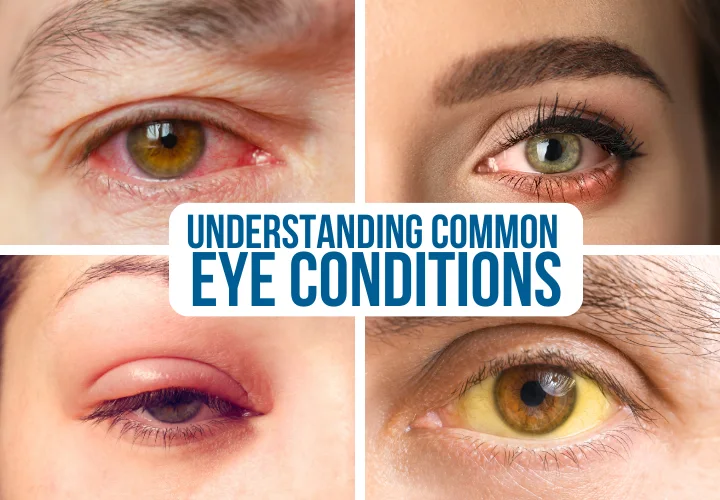
Eye problems can affect people of all ages. Some conditions cause temporary discomfort, while others can gradually affect vision if they are not diagnosed and treated at the right time.
The eye disease symptoms you experience can vary depending on the condition. Blurred vision, redness, eye pain, itching, flashes, floaters and other changes in eyesight should not be ignored.
Quick Answer
| Question | Answer |
| What are common eye disease symptoms? | Blurred vision, redness, itching, eye pain, floaters, flashes and other vision changes. |
| What are common eye diseases? | Refractive errors, cataracts, glaucoma, macular degeneration, diabetic retinopathy, conjunctivitis, strabismus and retinal detachment. |
| How are eye diseases treated? | Depending on the condition, treatment may include glasses, medicines, injections, laser procedures or surgery. |
| Can eye diseases be treated? | Many eye conditions can be effectively treated or managed when diagnosed early. |
| When should I see an ophthalmologist? | Seek medical attention for sudden vision loss, severe eye pain, flashes, new floaters or persistent vision changes. |
What Are the Common Eye Disease Symptoms?
Different eye conditions can produce different symptoms. Some symptoms develop gradually, while others may appear suddenly.
Common eye disease symptoms include:
- Blurred or cloudy vision
- Eye pain or discomfort
- Redness and irritation
- Excessive watering
- Itching
- Sensitivity to light
- Flashes of light
- Floaters
- Difficulty seeing at night
- Double vision
- Changes in central or peripheral vision
Having one of these symptoms does not necessarily mean you have a serious eye disease. An eye examination is needed to identify the actual cause.
Common Types of Eye Diseases
There are several types of eye diseases, affecting different parts of the eye. Some common conditions include:
1. Refractive Errors
Refractive errors occur when light does not focus properly on the retina. Myopia, hyperopia and astigmatism are common examples.
Symptoms:
- Blurred vision
- Eye strain
- Headaches
- Difficulty seeing near or distant objects
Treatment: Glasses or contact lenses are commonly prescribed. Refractive surgery may be suitable for selected patients.
2. Cataracts
A cataract develops when the natural lens of the eye becomes cloudy. It becomes more common with increasing age.
Symptoms:
- Cloudy or blurry vision
- Difficulty seeing at night
- Sensitivity to light
- Halos around lights
Treatment: Cataract surgery removes the cloudy lens and replaces it with an artificial lens when the condition significantly affects vision.
3. Glaucoma
Glaucoma is a group of eye diseases that can damage the optic nerve and cause permanent vision loss.
Symptoms may include:
- Gradual loss of peripheral vision
- Blurred vision
- Eye pain in some cases
- Headache in some cases
Some forms of glaucoma may develop without obvious symptoms in the early stages.
Treatment: Depending on the condition, treatment may include eye drops, laser procedures or surgery.
4. Macular Degeneration
Macular degeneration affects the macula, which is responsible for detailed central vision.
Symptoms:
- Blurred central vision
- Distorted vision
- Difficulty reading
- Difficulty recognising faces
Treatment: Depending on the type, treatment may involve monitoring, medicines or anti-VEGF injections.
5. Diabetic Retinopathy
Diabetic retinopathy occurs when diabetes damages the blood vessels of the retina.
Symptoms:
- Blurred or fluctuating vision
- Floaters
- Dark areas in vision
- Difficulty seeing clearly
Treatment: Depending on severity, treatment may include diabetes management, injections, laser treatment or surgery.
Regular retinal examinations are important for people with diabetes.
6. Conjunctivitis
Conjunctivitis, commonly known as pink eye, causes inflammation of the conjunctiva.
Symptoms:
- Redness
- Itching
- Watering
- Eye discharge
- Irritation
Treatment: Treatment depends on the cause. Bacterial, viral and allergic conjunctivitis may require different treatment approaches.
7. Strabismus
Strabismus occurs when the eyes are not properly aligned. It can affect both children and adults.
Symptoms:
- Misaligned eyes
- Double vision
- Difficulty with depth perception
Treatment: Depending on the cause, treatment may include glasses, vision therapy or surgery.
8. Retinal Detachment
Retinal detachment is a serious condition where the retina separates from the tissue supporting it.
Warning signs include:
- Sudden increase in floaters
- Flashes of light
- Sudden blurred vision
- A shadow or curtain-like effect over the vision
Retinal detachment requires urgent ophthalmic assessment and treatment to help protect vision.
How Are Eye Diseases Diagnosed?
An ophthalmologist may perform different tests based on your symptoms and medical history.
These may include:
- Visual acuity testing
- Refraction testing
- Eye pressure measurement
- Slit-lamp examination
- Retinal examination
- Retinal or optic nerve imaging when required
Proper diagnosis helps the ophthalmologist choose the most appropriate treatment.
Eye Disease Treatment and Recovery
Eye disease treatment depends on the specific condition, severity and overall health of the patient.
Treatment may include:
- Prescription glasses or contact lenses
- Eye drops or medicines
- Injections
- Laser procedures
- Surgery
- Regular monitoring
Recovery is different for every condition. Some patients may notice improvement quickly, while others may require long-term treatment and follow-up.
Following your ophthalmologist’s advice and attending scheduled reviews can support better treatment outcomes.
When Should You See an Ophthalmologist?
You should seek medical attention if you experience:
- Sudden vision loss
- Severe eye pain
- Sudden flashes or many new floaters
- A curtain or shadow across your vision
- Persistent blurred vision
- Significant redness with pain
- Double vision
- Sudden changes in eyesight
Some eye conditions can progress without obvious symptoms, so regular eye examinations are also important.
Why Choose Ponjesly Hospital for Eye Care?
Choosing the right eye care centre can make a difference when you need proper diagnosis and treatment.
Ponjesly Hospital provides ophthalmology evaluation and treatment for various eye conditions. Patients experiencing persistent eye disease symptoms can consult an ophthalmologist for appropriate assessment and personalised care.
If you are looking for a best eye hospital in Nagercoil, professional evaluation is important rather than delaying treatment or relying on self-medication.
Book an appointment with an ophthalmologist at Ponjesly Hospital if you have ongoing vision changes or other eye-related concerns.
Frequently Asked Questions
What are the most common eye disease symptoms?
Common symptoms include blurred vision, redness, itching, eye pain, watering, floaters, flashes, light sensitivity and changes in vision.
What are the common types of eye diseases?
Common conditions include refractive errors, cataracts, glaucoma, macular degeneration, diabetic retinopathy, conjunctivitis, strabismus and retinal detachment.
Can eye diseases cause vision loss?
Yes. Certain eye diseases can cause partial or permanent vision loss, especially when diagnosis and treatment are delayed.
Can eye diseases be treated?
Many eye conditions can be treated or managed. The treatment depends on the specific diagnosis and severity of the condition.
When should I see an eye doctor?
See an ophthalmologist for persistent vision changes. Sudden vision loss, severe eye pain, flashes or a curtain-like shadow over your vision require prompt medical attention.
Takeaway
Eye disease symptoms should not be ignored. Early evaluation can help identify the underlying condition and determine the right treatment.
From refractive errors and cataracts to glaucoma, diabetic retinopathy and retinal conditions, each eye problem requires an appropriate approach. If you notice a change in your vision, consult an ophthalmologist instead of delaying care.
Ponjesly Hospital, Nagercoil, provides ophthalmology consultation and treatment for a range of eye conditions. Book an appointment today for professional eye care and personalised medical guidance.
Related Article: Laser Eye Surgery